Minneapolis and Hennepin County, Minnesota
Minneapolis Radon Mitigation for Old Basements and New Builds
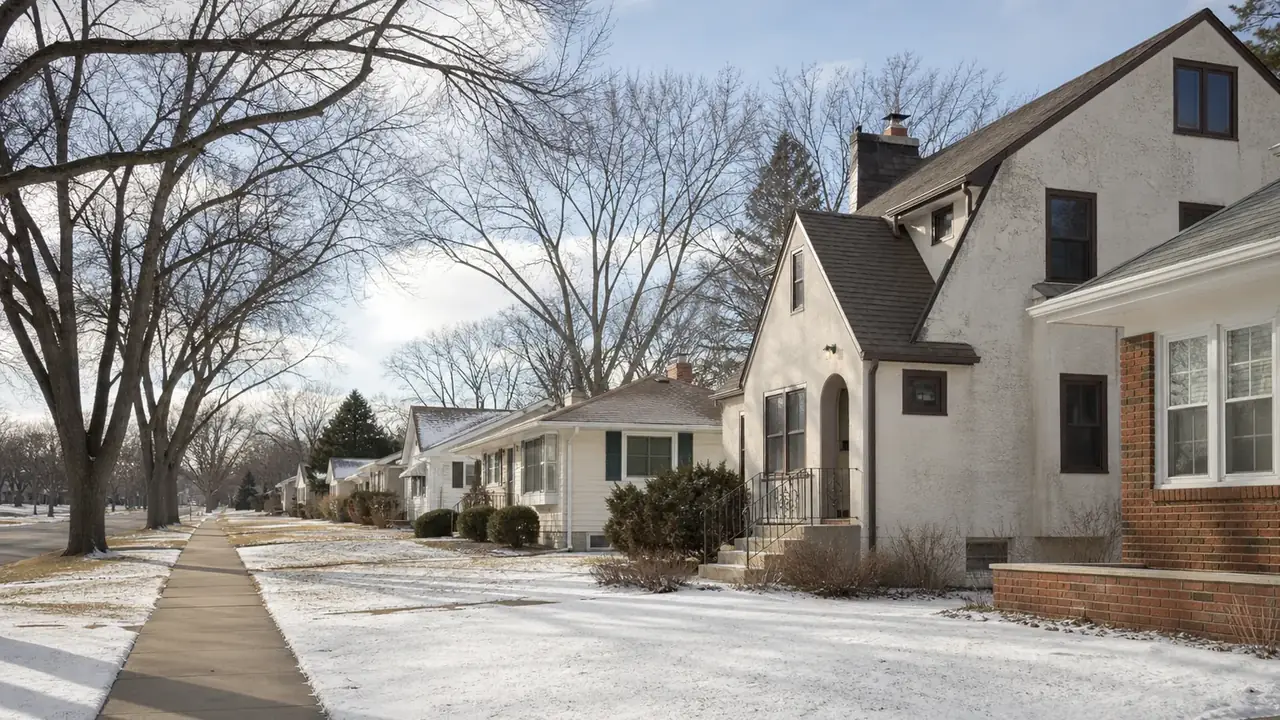
Radon mitigation in Minneapolis usually means one of two houses. Most of the city is old, much of it built before 1940, with basements never meant to keep soil gas out. Homes built since 2009 already have a passive radon pipe that may only need a fan. This site covers both, using Minnesota's own data, rules and price guidance.
Hennepin County is EPA Radon Zone 1, and Minnesota Department of Health data show 34% of properties tested there from 2016 to 2025 reached the 4 pCi/L action level or higher. MDH gives $1,500–$3,000 as the general cost of a mitigation system in Minnesota.
How common is high radon in Hennepin County?
More common than the national picture suggests. Labs and licensed testers report results to the Minnesota Department of Health, and its Radon Data Portal shows about 7,900 Hennepin County properties tested each year from 2016 to 2025, more than in any other Minnesota county. Their average was 3.4 pCi/L, against a U.S. indoor average of 1.3. About 71% measured 2 pCi/L or more, where EPA and MDH say to consider a fix, and 34% reached 4 or more, where both say to fix. One result in twenty topped 8.1 pCi/L.
EPA's 1993 zone map points the same way: Hennepin is Zone 1, the highest-potential group, while Anoka County just north is Zone 2. Statewide, MDH finds that more than two in five Minnesota homes carry radon levels that pose a significant health risk, and that the state average is over three times the national one, because of the geology and because homes here stay closed and heated most of the year. Neighbors can still differ widely, so MDH recommends testing every Minnesota home.
What does radon mitigation in Minneapolis involve?
- A result worth acting on. MDH wants two tests before a system goes in, except for a professional continuous monitor during a sale. Start with radon testing in Minneapolis.
- A design that suits an older basement. Stone, brick and block walls, thin floors and open sump baskets all shape the system: radon mitigation in older Minneapolis basements.
- Or simply a fan. A house built since 2009 should already have a labeled vent pipe: activating a passive radon system.
- A tag, a gauge and a retest. Systems professionals install carry an MDH tag, and a follow-up test shows whether the work did its job.
MDH names three common designs: sub-slab suction under a basement floor, drain tile suction through the perimeter drain and a sealed sump basket, and sub-membrane suction under sealed plastic in a crawl space. Each runs a fan nonstop to draw soil gas out through a pipe that ends above the edge of the roof. Every system should bring the level under 4 pCi/L, and MDH notes a quality one may hold the year-round level below 2.
Pick the page that matches your house
- Radon mitigation in older Minneapolis basementsStone, brick and block walls, thin floors, sump baskets and crawl additions: how each changes the system.
- Activating a passive radon system with a fanHomes built since 2009 have a vent pipe and no fan. What Minnesota code expects when one is added.
- Radon testing in Minneapolis, step by stepKits, licensed testers and digital monitors, MDH's follow-up chart, and why to test while the heat is on.
- Minneapolis radon mitigation pricesMinnesota's own cost advice beside named national ranges, plus running costs and help paying.
Local data, warning signs and home sales
- Hennepin County radon numbers and the winter peakTen years of MDH test results for the county and its neighbors, the stack effect, and what it means for one house.
- Radon system signs and what they usually meanA level gauge, a beeping alarm, a noisy fan, frost at the outlet, no tag: each sign answered first.
- Radon disclosure when selling a Minneapolis homeWhat the Minnesota Radon Awareness Act requires of sellers, what it does not, and how sale-time tests work.
Why do Minneapolis radon readings climb in winter?
A heated house acts like a chimney. Warm air escapes near the top, and replacement air is drawn in low, some of it from the soil under the basement floor. MDH calls this the stack effect, and a Minneapolis winter feeds it: NOAA's 1991–2020 normals for Minneapolis–St. Paul airport show a December-to-February average of 19.6°F and 7,399 heating degree days a year. MDH's statewide results track the furnace, averaging 4.2 pCi/L in winter and 4.1 in fall against 3.3 in summer, which is why MDH calls the heating season the best time to test. The full picture is in Hennepin County radon and the winter peak.
Which Minnesota rules protect a homeowner?
- Licenses. Under the Minnesota Radon Licensing Act (Minn. Stat. 144.4961, passed in 2015), anyone who tests or mitigates radon in a building they do not own or lease needs an MDH license. MDH says industry certification alone does not qualify. Any name can be checked on MDH's Radon Licensing System.
- System tags. Every system a professional installs on or after January 1, 2019 carries an MDH tag with the installer's name, license number and install date.
- A state check of the work. For systems professionals installed in existing homes since June 1, 2020, a homeowner can ask MDH to inspect the job without charge.
- Disclosure at sale. The Minnesota Radon Awareness Act makes sellers put what they know about radon in writing. See radon disclosure when selling.
Who receives a request sent from this site?
Minneapolis Radon Pros is an independent local resource, not a radon company. It does not place test kits, design systems or install fans. A request from the form goes to one independent radon mitigation specialist who works in Minneapolis and nearby Hennepin County suburbs; the specialist, not the homeowner, pays this site for each referral. Before agreeing to anything, ask for the individual's MDH license number and compare it with the state listing, as MDH advises.
Questions homeowners ask
Why is radon higher in Minnesota than in most of the country?
MDH points to two causes: geology and the way Minnesota homes run. Radon forms as uranium and radium in rock and soil break down, and it is common in soils throughout the state. Homes here stay closed up and heated most of the year, which pulls soil gas indoors. MDH puts the state average at more than three times the U.S. level.
Can I install my own radon fan in Minnesota?
Yes, in a home you own or lease; the licensing law covers only work in other people's buildings. MDH still calls system design professional-level work, and the fan usually needs electrical work, which MDH says requires an electrical permit. A buyer's inspector will later look for the MDH tag that professionally installed systems carry, so weigh that if you plan to sell.
Will the state check a radon system after it is installed?
It can. MDH offers to inspect, without charge, mitigation systems that professionals installed in existing homes since June 1, 2020. Staff check that the system meets Minnesota's standards and is effective, durable and safe. Contact MDH's Indoor Air Unit to request one, ideally after the follow-up radon test is back so the result can be reviewed too.
Can a digital radon monitor tell me whether to mitigate?
Not by MDH's standards. Consumer digital monitors, which MDH says usually cost about $100–$200, show readings in real time but have not had full evaluations or approval from the national radon proficiency programs. MDH does not recommend them for mitigation decisions or home sales. Use an approved test kit or a licensed measurement professional for the number you act on.
What is going on with radon at your house?
A test number, a vent pipe with no fan, a gauge that reads level, a closing date: any one of these is enough to start. One independent radon mitigation specialist serving Minneapolis reads it and replies.